Volcanic ash and flights — cancellations and your passenger rights
Why volcanic ash grounds aircraft
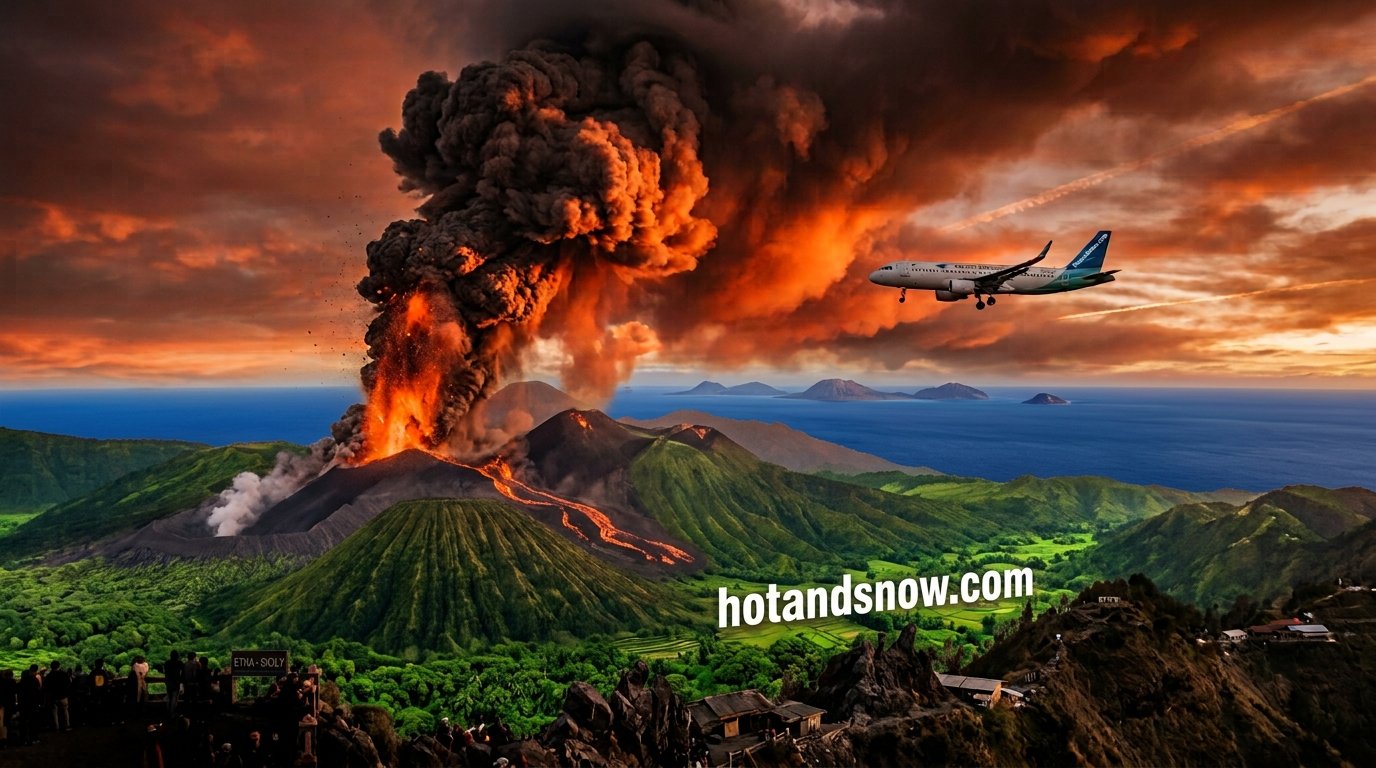
Ash is made of tiny particles of rock and glass. In a hot jet engine they melt and coat the turbine blades, which can cause the engine to shut down. That is why volcano observatories issue aviation colour codes and air traffic control closes the sectors the cloud passes through.
The best-known example is the 2010 Eyjafjallajökull eruption in Iceland, when airspace over much of Europe was closed and more than 100,000 flights were cancelled. Today the most frequent source of such disruption is Etna and Catania airport.
Compensation, refund and care
EU Regulation 261/2004 provides fixed compensation for cancelled flights, but not when the cause is an extraordinary circumstance — and a volcanic eruption is one. Your rights do not end there, though.
You can still choose a full refund or re-routing at the earliest opportunity. While you wait, the airline must provide care: meals, drinks, accommodation and transport to the hotel. The EU Court of Justice confirmed in McDonagh v Ryanair (C-12/11) that the duty of care applies even when airspace is closed because of volcanic ash.
Related articles
-
 inne-zagrozenia Iceland volcano — Reykjanes eruptions, Grindavík and the Blue Lagoon
Every few months the Reykjanes eruptions go viral: fissures spewing lava a few kilometres from
inne-zagrozenia Iceland volcano — Reykjanes eruptions, Grindavík and the Blue Lagoon
Every few months the Reykjanes eruptions go viral: fissures spewing lava a few kilometres from
-
Italy
Etna eruption — Catania airport, volcanic ash and your Sicily trip
Etna is one of the most active volcanoes on Earth and it keeps returning to the headlines: lava
- Italy Campi Flegrei — earthquakes near Naples and bradyseism explained Campi Flegrei is a caldera west of Naples where the ground has been slowly rising for years and
What to do, step by step
Check your flight status before going to the airport. If the flight is cancelled, pick a refund or rebooking in the airline app straight away. Keep receipts for food and accommodation if the airline did not provide them — you can claim them back later. If you are diverted to another airport, ask about the onward transfer.
If you have travel insurance, check whether it covers delays and extra nights. Current situations are covered in our articles on the Etna eruption and the Iceland volcano.
Wind and weather — Europe
Wind direction and speed decide which way a fire runs. Switch the layer to temperature or humidity to judge the risk.
Strong wind, temperatures above 35 °C and humidity below 30% together are the conditions in which fire spreads fastest.